A reflection on intention, imperfection and finding your own visual language
The word cinematic is used so often that, sometimes, it seems to have lost part of its meaning.
It is associated with a particular colour palette, slow motion, a specific lens, a very shallow depth of field or an image covered in grain.
All of those things can be beautiful. But none of them, on their own, makes an image cinematic.
For me, a cinematic image begins somewhere else: in what it manages to make us feel.
A technically perfect image can still feel completely empty. Another, full of noise, blur, movement or imperfections, can stay in our memory for years. Not because it follows every rule, but because it contains something alive.
A cinematic shot does not have to be perfect.
It has to transmit something.
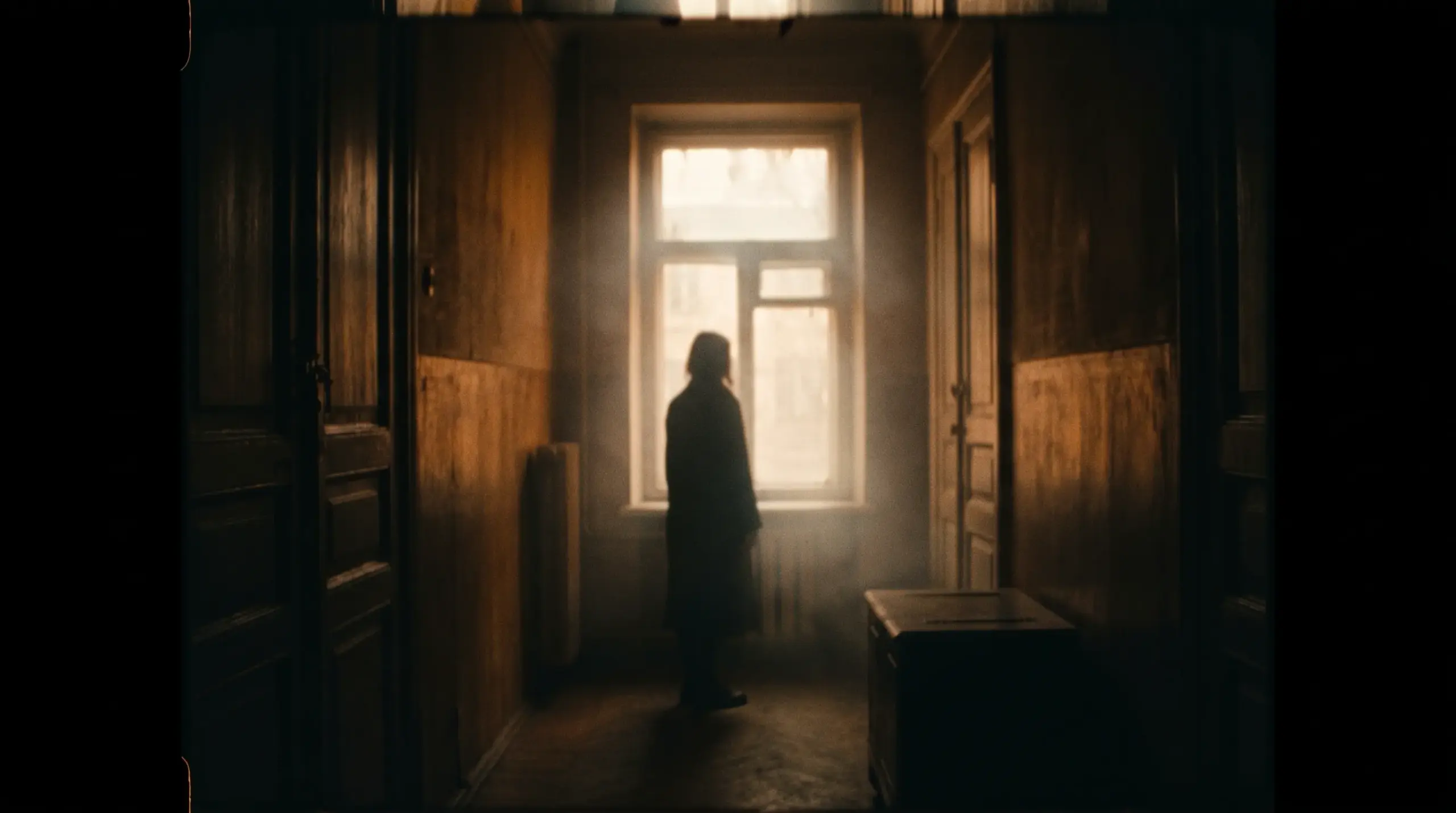
The image begins before the camera
Before choosing a lens, moving the camera or building a colour palette, there is something less visible.
An intention.
What do we want the viewer to feel? Intimacy, distance, tension, desire, nostalgia, loneliness or uncertainty?
The same room can become warm or suffocating depending on the way we choose to observe it. The same person can appear powerful or vulnerable depending on the space around them. The same light can feel peaceful in one moment and devastating in another.
This is why cinematic images are difficult to reduce to a formula. They are not made only from technical decisions. They are made from the relationship between those decisions and what we are trying to express.
The image does not exist to prove that we know how to use a camera.
It exists to say something that, sometimes, words cannot explain.
Stillness can move too
We often feel that the camera has to be moving for the image to stay alive.
A tracking shot, handheld movement, a fast transition or a complex camera move can bring energy to a scene. But movement is not emotion. And moving does not automatically make something cinematic.
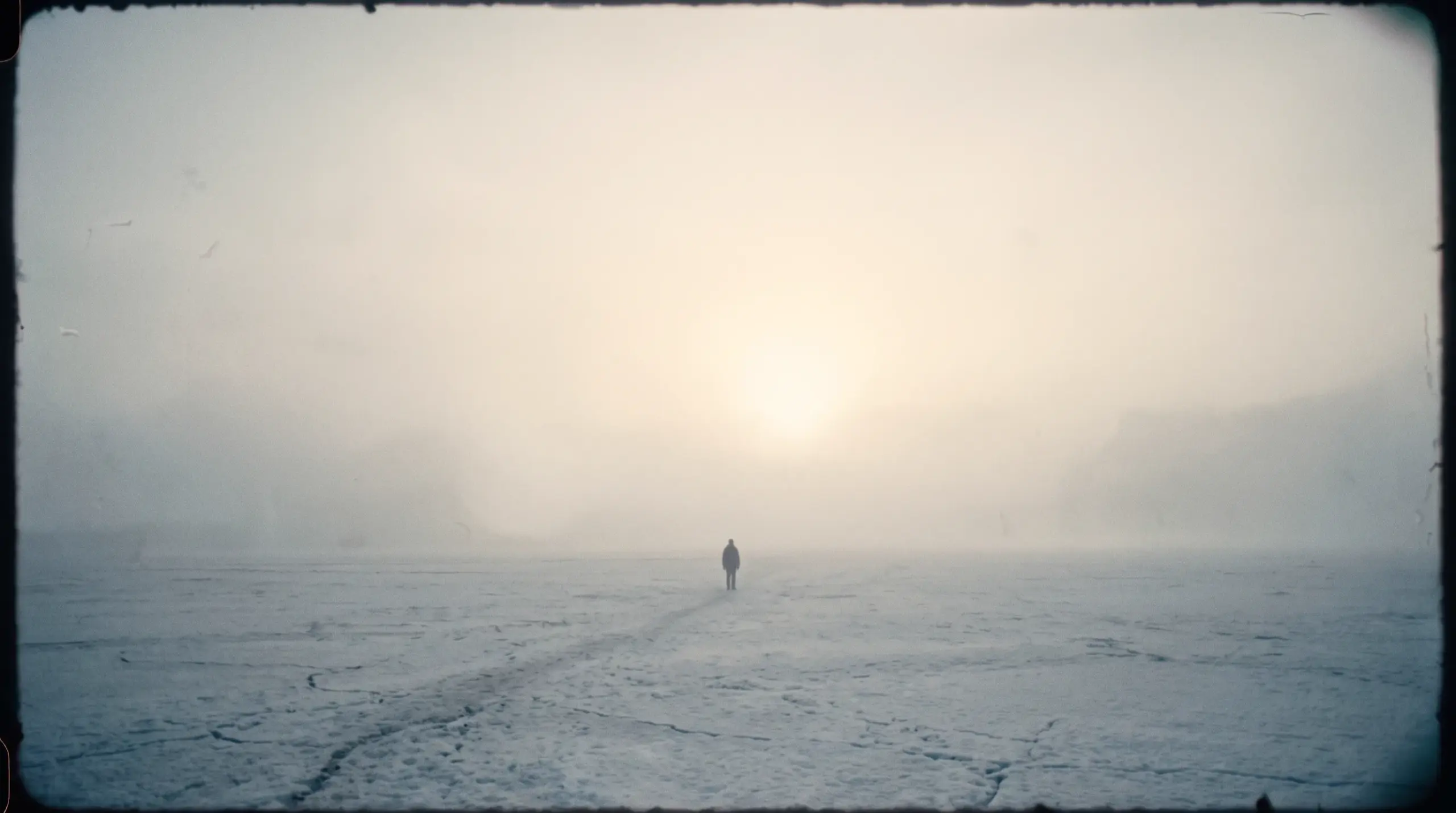
Sometimes, a locked-off shot contains more tension than a camera travelling through the entire space.
A person waiting. A figure beside a window. A body almost disappearing into the background. A small gesture taking place at the edge of the frame.
When composition, light and time are aligned, the camera does not need to chase the image. It only needs to remain there long enough for the image to reveal itself.
Stillness allows us to look.
And sometimes, looking is far more powerful than being impressed.
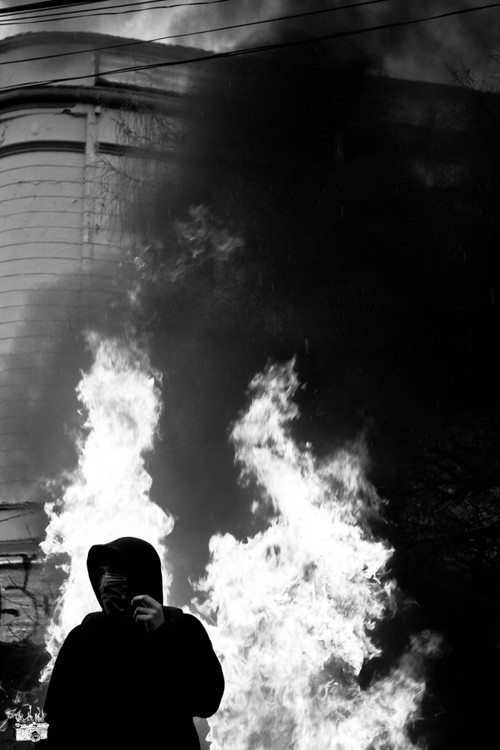
Composition can also be silence
Composition is often explained through rules: leading lines, symmetry, the rule of thirds or balance.
All of them can be useful. But a technically correct composition can still feel completely empty.
What matters is the relationship between the elements inside the frame. The distance between two people. The space around a subject. The weight of a shadow. The part of the room we decide not to show.
A character placed at the edge of the image can appear trapped or ready to leave. Empty space can suggest loneliness, anticipation or freedom. A crowded background can create noise even when we cannot hear a sound.
Composition is not only about placing things beautifully.
It is about deciding what deserves our attention, what should remain hidden and what we want the viewer to feel before understanding why.
Light does not illuminate the scene. It gives it a soul
Light is one of the first things we perceive in an image, even when we are not consciously aware of it.
Soft light can feel intimate. Hard light can make us feel exposed. A face partly hidden in shadow can contain more mystery than a perfectly lit portrait.
The most convincing light usually belongs to the world of the image. It comes from a window, a lamp, a screen, a streetlight or a passing car. It does not need to announce itself. It simply exists and transforms the atmosphere around the subject.
Cinematic light does not have to be dramatic.
Sometimes it is only the last trace of daylight entering a room. Sometimes it is a reflection of colour on a wall. Sometimes it is a dark area we choose not to correct.
What matters is not how beautiful the light is on its own.
What matters is what it allows us to feel.
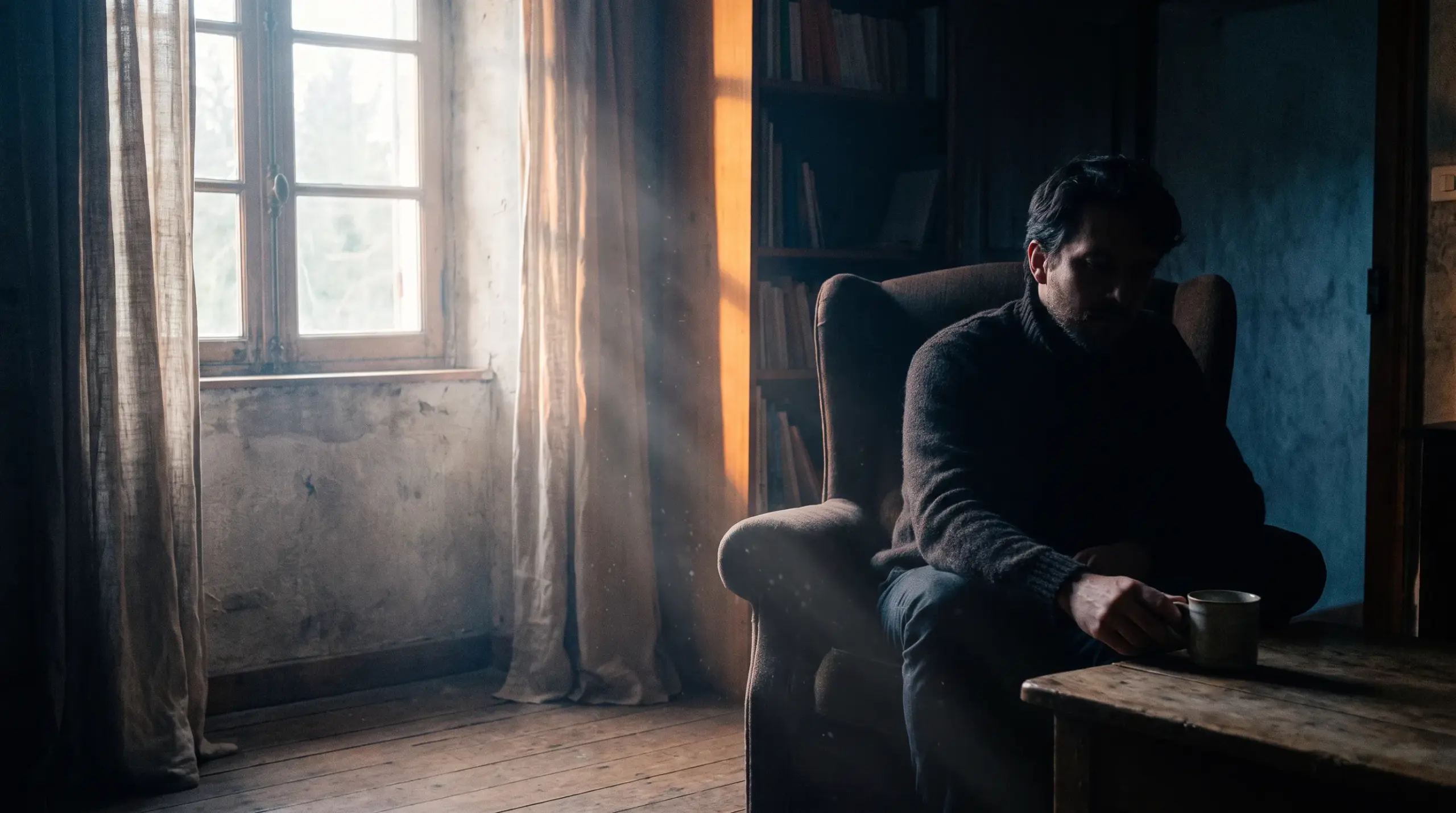
Every lens has a way of seeing
A lens is not just a piece of glass. It is a way of relating to the world.
A wide-angle lens can make us feel inside the scene, surrounded by the space and close to what we are observing. A longer focal length can compress distances and create isolation. A normal lens can feel familiar, almost invisible, as if we were standing there ourselves.
The choice of lens changes much more than perspective. It changes intimacy, tension, distance and the emotional temperature of the shot.
There is also something special about certain older lenses. Their imperfections can become part of their character: the way they render light, their blur, the softness around the edges or the flares that appear at the least expected moment.
They are not always clean or predictable. That is precisely why they can feel personal.
Some images stay in our memory because they do not feel interchangeable.
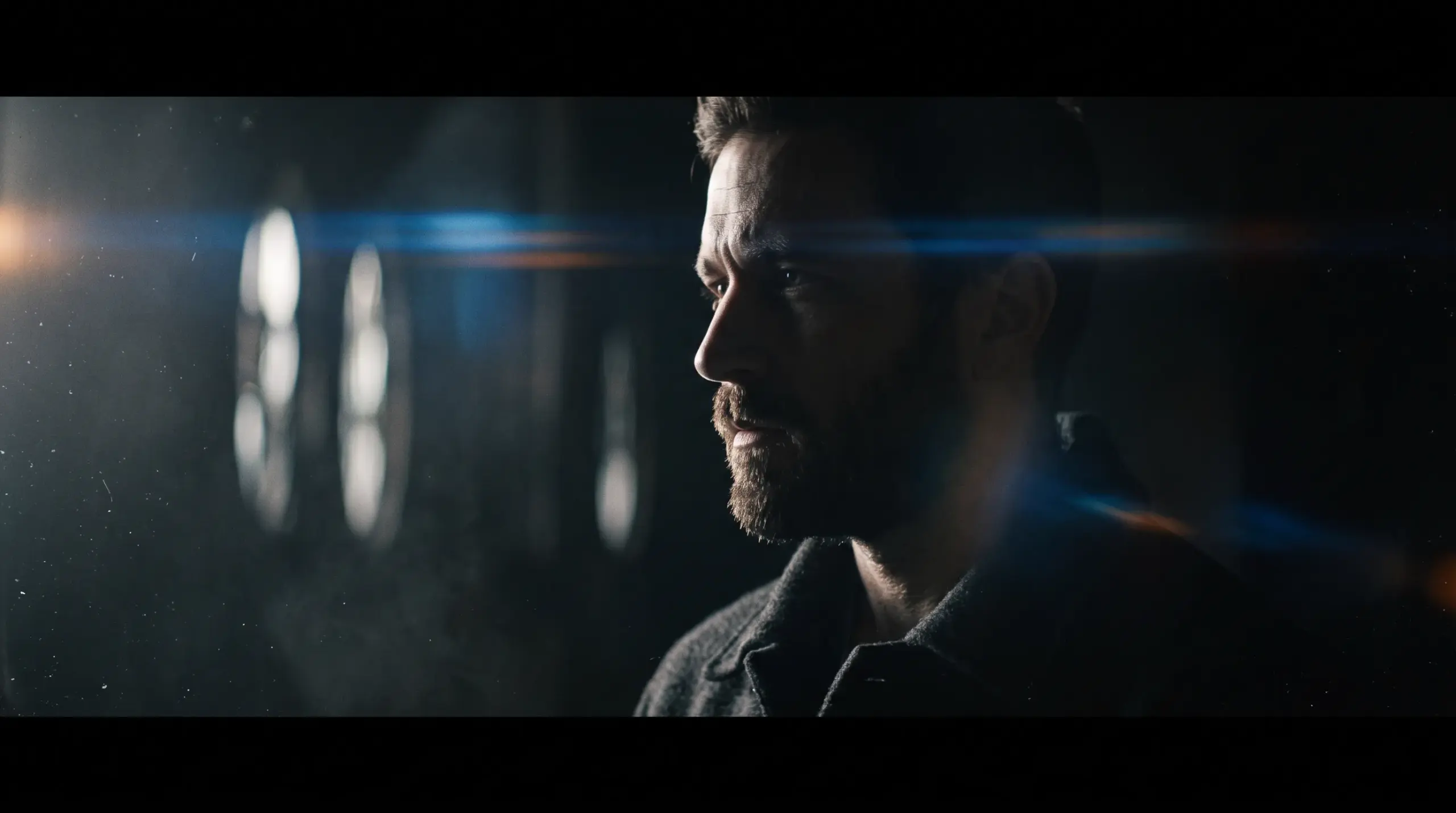
Texture is also memory
Noise, grain, blur and optical imperfections are often treated as problems that need to be removed.
But an image that is too clean can feel disconnected from human experience. Memory is rarely perfectly sharp. It is fragmented, selective and shaped by the atmosphere of the moment.
Grain can make an image feel physical. Blur can suggest movement, uncertainty or subjectivity. A flare can turn a technical flaw into a moment of light. A rough texture can bring an image closer to a memory, a dream or an old photograph.
That does not mean imperfections should be added automatically.
Texture only has meaning when it belongs to the emotion of the image. Copying the grain, colours or visual treatment of another project does not create an identity. It only creates an imitation.
The question is not whether the image looks clean.
The question is whether its texture helps us enter the world it is showing.
References should open doors, not close them
Every artist is influenced by someone.
Wong Kar-Wai is an important reference for the way colour, movement, time and desire can coexist within the same image. In photography, Cho Gi-Seok’s work creates a recognisable visual universe through the relationship between colour, bodies, objects and surreal elements.
But an influence only becomes truly useful when it passes through our own way of seeing.
The problem is not having references. The problem begins when we copy their surface without understanding what made them meaningful.
A visual language cannot be downloaded as a preset.
It is discovered through repetition, intuition, mistakes and the courage to make decisions that do not look like everything else.
The goal is not to make something like Wong Kar-Wai or Cho Gi-Seok.
The goal is to understand what their images awaken in us, and find our own way to express that feeling.

Sound completes the image
A scene does not end at the edges of the frame.
Sound can turn an ordinary image into an experience. The same shot can lose all its strength with indifferent audio and become unforgettable with the right combination of atmosphere, music, silence and effects.
A room can feel larger because of its echo. A street can feel alive because of distant traffic. A cut can become emotional because the sound of the next image arrives before we see it.
Sound does not have to explain the image. It has to belong to its emotional world.
The most interesting audiovisual moments do not always happen when sound repeats what we see. Sometimes they are born from the tension between the two.
A beautiful image with mediocre sound is still beautiful.
A beautiful image accompanied by sound that understands it can become something entirely different.
A cinematic image is not a recipe
There is no camera, lens, LUT or visual effect capable of turning any image into a cinematic one.
A cinematic image is born when many decisions meet in the same moment: intention, composition, light, lens, movement, texture, sound and emotion.
Sometimes the most powerful image is the one that breaks the rules. The one with too much noise. The one that finds focus late. The one that is slightly overexposed, imperfectly framed or impossible to recreate.
Because cinema is not only about controlling everything.
It is also about recognising the moment when something unexpected becomes beautiful.
The goal is not to make everything look like a film.
The goal is to create images that belong to a world, contain an emotion and remain in the viewer’s mind after the screen has gone dark.
Share this article with someone who may find it useful.